
The Sociology of Family Dinners: Planning, Shopping, Preparing, and Serving
Sociological Research Paper on Family Dinners
Fall 2024
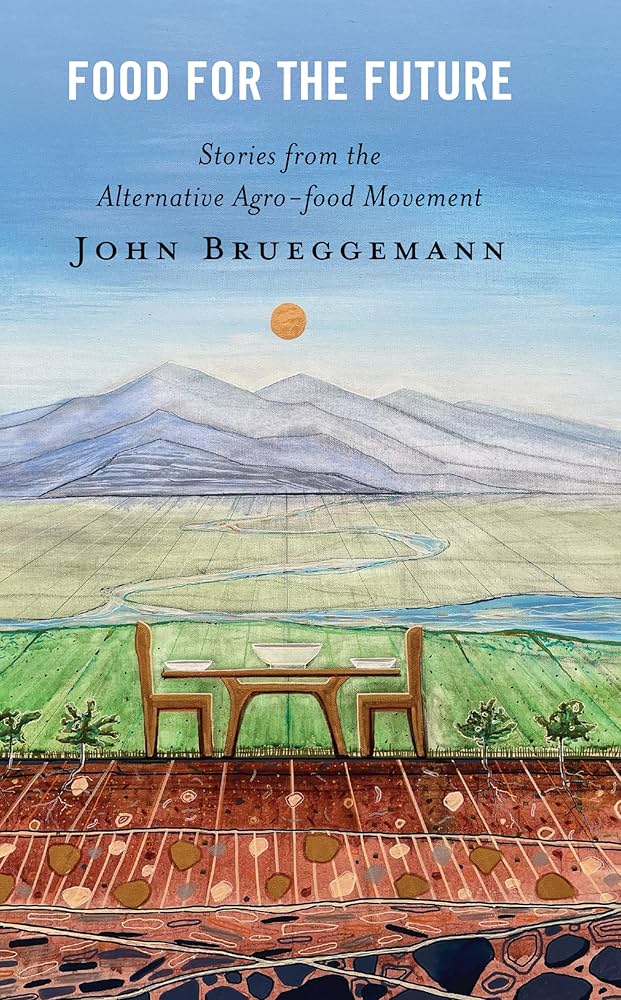
This research paper examines how the seemingly simple act of family dinners reveals deep-rooted social inequalities around class, gender, and time. Completed as part of an independent study centered on my Professor John Brueggemann’s book Food for the Future: Stories from the Alternative Agro-food Movement, this project combines sociological scholarship with an interview with my mother to explore how the process of planning, shopping, preparing, and serving meals disproportionately burdens women—particularly working-class mothers—while reinforcing traditional gender roles even in dual-income households.
The paper traces how economic constraints shape food access and meal preparation, from food deserts limiting grocery options to time poverty forcing reliance on processed foods. Through intersectional analysis, I demonstrate how the cultural ideal of the family dinner remains unattainable for many families due to structural barriers, including rigid work schedules, limited resources, and the physical toll of demanding jobs.
By examining foodwork as a site of inequality, this research contributes to broader conversations about domestic labor, care work, and how everyday practices reproduce social hierarchies. The analysis reveals that while family meals are idealized as symbols of togetherness and care, they simultaneously reflect and perpetuate systemic disadvantages—making food a critical lens for understanding power dynamics in American family life.